
Setting the Scene Part 1 – The Silence at the Table: Growing Up Unseen
“Even the smallest person can change the course of the future”
J.R.R. Tolkien. “The Lord of the Rings”
Have you ever felt like you just didn’t belong in your own family—so much so that you wondered if you might have been adopted? That thought haunted me throughout my childhood. I used to envy my friends at school, especially the warmth and chaos I witnessed in their homes. Sitting down at their dinner tables was like entering another world: loud, messy, and full of life. There was laughter, overlapping stories, sibling squabbles, and sometimes heated debates—but underlying all of it was a sense of love, a deep bond that connected them all.
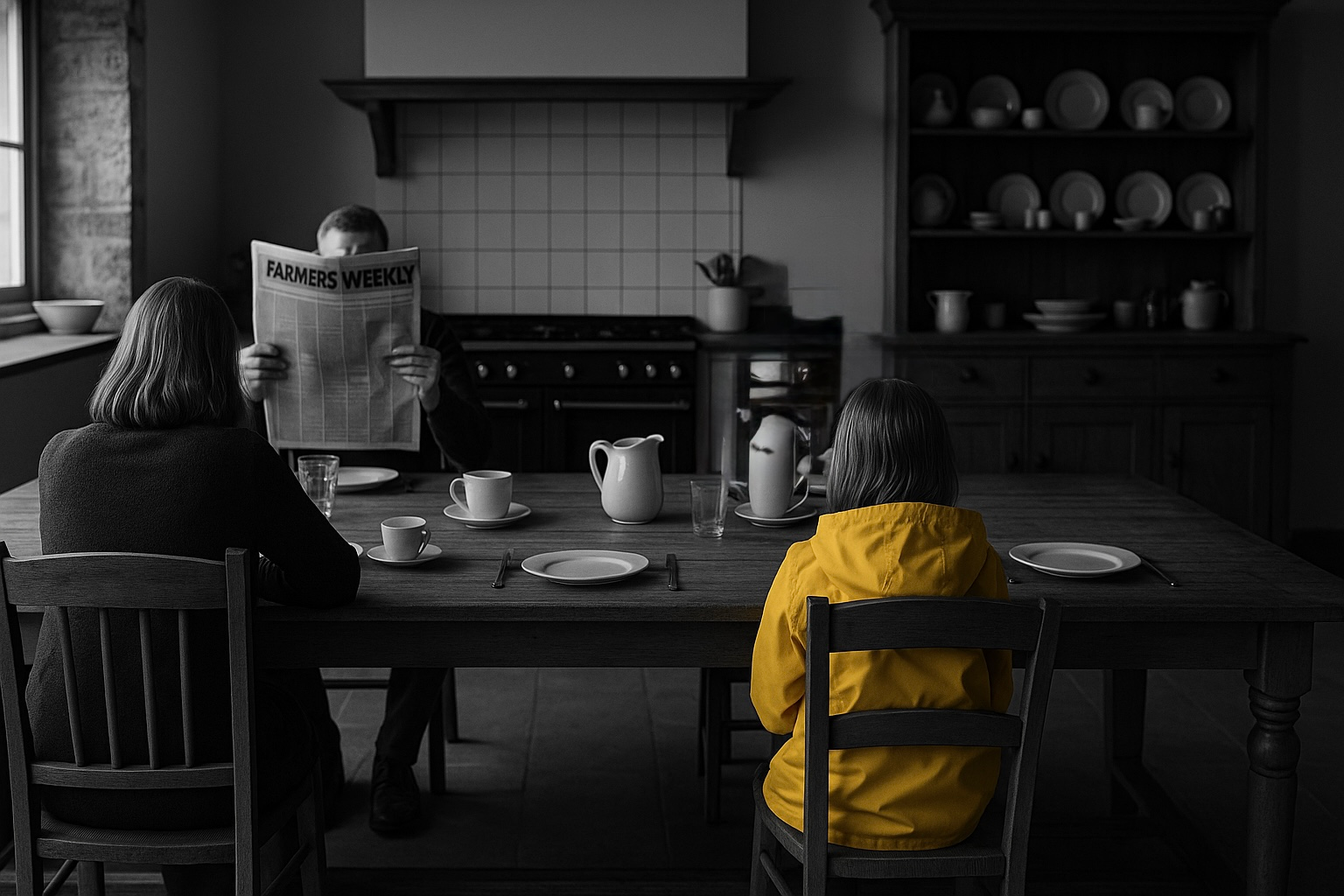
In contrast, my own family life felt eerily quiet. At our house, mealtimes were silent affairs. I can clearly recall sitting at the breakfast table, which had been methodically set the night before in some obscure ritual, and feeling that I was sitting with complete strangers. That memory, mundane as it may sound, is etched into my mind. Not because it was comforting, but because it was the opposite. It represented a kind of emotional absence, a stiffness that made me feel like an outsider in my own home.
For many years, I simply couldn’t understand my parents. Their way of ‘being’ felt so alien to me. It took a long time for me to reach a place of acceptance. And even then, that understanding only came once I took the time to learn about their childhoods, their struggles, and the emotional blueprints they inherited from their own parents. We are, after all, shaped by the people who raise us, whether we like it or not. True transformation only begins when we become conscious of those patterns and decide to change them—for ourselves and for the generations that follow.
Let me be clear: I am not a therapist, counsellor, or anything of the sort. Although I have sat on many therapists’ couches over the years, most of them seemed intent on dragging me back into a past I could barely remember. To them, my lack of childhood memories was a red flag, a sign of something repressed or unresolved. And maybe they were right. But at the time, their approach didn’t resonate with me. It didn’t feel like the kind of healing I was seeking.
That is not to discredit the profession—far from it. I have immense respect for therapy and the transformative work so many practitioners do. In fact, one particular form of healing will play a key role in the journey of Jo Bloggs once she has evolved into Jo *******. But for me personally, traditional therapy didn’t quite fit. It was like trying to wear someone else’s shoes—they might be the right size, but they just didn’t feel comfortable.
Anyway, back to the whole “not fitting in” part—because if I’m not careful, I can easily wander off track! Growing up in what felt like a Victorian-era household, where children were expected to be seen and not heard, I constantly felt out of place. My father held tightly to those old-fashioned values, and I—being naturally expressive and curious—found that suffocating. My two older brothers wanted nothing to do with a younger sister tagging along, and my relationship with my mother was distant at best. She lacked the maternal warmth I saw in the mothers of my friends, and perhaps that was due to her own emotionally barren upbringing.
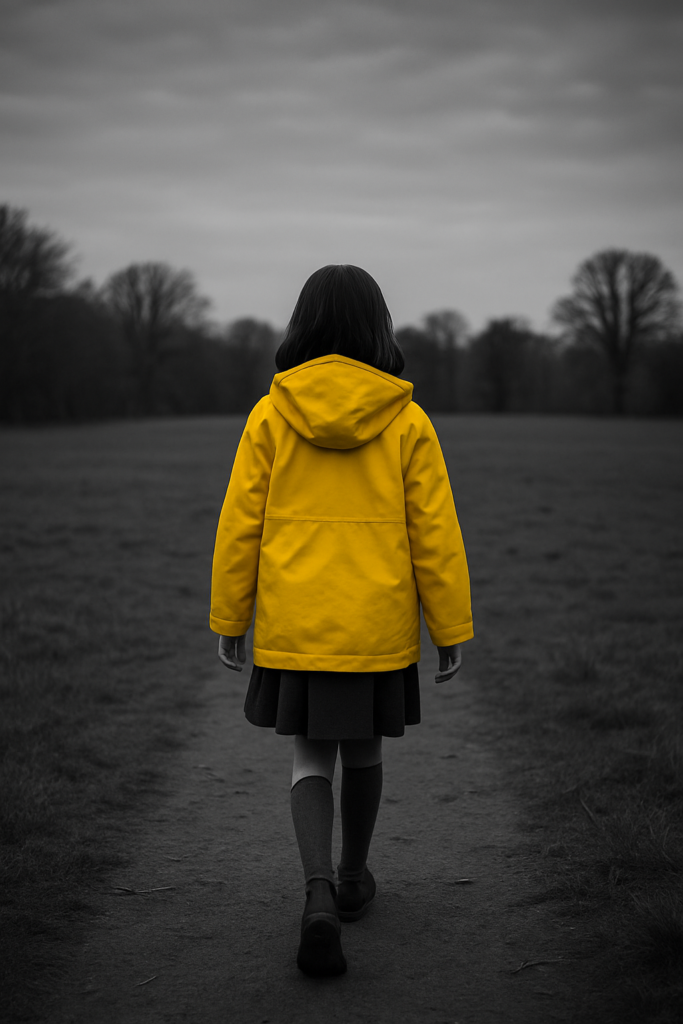
So as a child, I was convinced I was adopted. I had nothing in common with the people around me and I couldn’t understand how I was meant to belong to them. The only person I felt truly connected to was my paternal grandmother. She will appear often in later blogs as she played a huge role in shaping who I’ve become but this sadly only took place after her passing, and I have only realised now why I had felt so drawn to her. It was her spirit—her adventurous nature—that I recognise in myself. She was the free soul I didn’t know I was seeking, the living proof that being different could also mean being extraordinary.
As children, when we’re desperate for love and attention, we often act out—don’t we? I certainly did. I wanted my parents’ attention so badly that I started with the usual rebellion: defiance, mood swings, testing boundaries. But when that did not bring the results I longed for, I escalated. I began lying, cheating, and stealing—small acts that slowly snowballed into something much darker. All of it created this enormous, suffocating bubble of depression I was living in. Instead of receiving love or connection, I felt shame, unworthiness, and—most of all—not being good enough.
One vivid memory that has stayed with me is from an early age: sitting opposite a psychiatrist—possibly a family acquaintance—dressed in a stiff three-piece tweed suit, seated behind a massive leather desk. I have no idea what I must have done to drive my parents to such extreme measures and I can’t recall a word of what we discussed, but I do remember how I felt: disconnected, misunderstood, and unchanged. Let’s just say… it didn’t help.
As I bring this first part of “Setting the Scene” to a close I’d like to add one request to you lovely people who have stumbled across this Blog and fancy giving it a read. To the outside world, it is probably going to look like I had a lovely, privileged upbringing. And maybe in some ways, I did. But everything is subjective, isn’t it? What feels like a dream to one person might feel like a cage to another. Life isn’t about ticking off boxes of what’s “supposed” to make us happy. It’s about how we feel within our own experience. So, dear reader, if at any point during this blog you find yourself thinking I am being ungrateful or dramatic, I ask that you pause and consider this: these are my experiences, my memories, and my truth. Just as I would never judge someone else’s story or claim to know their pain, I ask for that same grace in return.
There is so much more to come as I continue setting the scene. I will lay it all out—warts and all. But let me be clear: this is not a story of blame. It is a story about awareness, growth, and ultimately… freedom. A freedom I found in the most unexpected of places.